
After customers purchase the vehicles, regular maintenance shall be carried out on the garbage compactor trucks in accordance with the specified maintenance cycles and items, so as to fully exert the technical performance and economic benefits of the garbage trucks and extend their service life.
I. Chassis and Engine Maintenance
The chassis and engine shall be maintained in compliance with the operation manual of the vehicle chassis and engine.
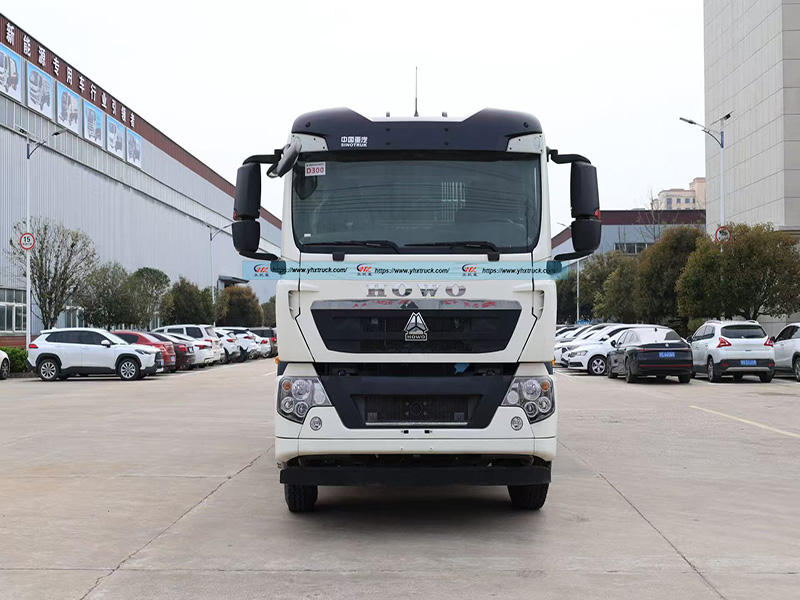
II. Routine Maintenance of the Superstructure (to be performed after daily operation)
1.Rinse the vehicle body, wipe the windows and rearview mirrors; flush the interior of the garbage bin, loading hopper and sewage tank to remove residual waste. Do not spray water directly onto electrical components and the air intake of the fuel tank during washing.
2.Clean the sealing joint surfaces to ensure tight sealing, and prevent rubber sealing strips and gaskets from being damaged by sharp or hard objects in the waste.
3.Clear garbage and debris adhered to the hydraulic cylinders to avoid damage to the cylinder dust rings or oil seals.
4.Check the engine oil level and coolant level, and top them up to the proper level when necessary.
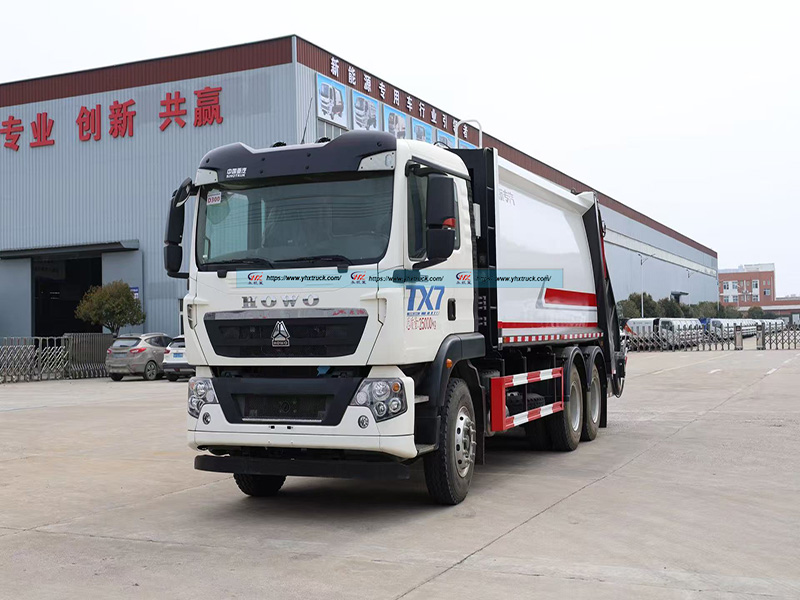
5.After starting the engine, observe and listen for abnormal operation. Inspect the vehicle instruments, lights, service brakes, parking brakes, steering system and power take-off (PTO) for normal functioning.
6.Check the liquid level of the hydraulic oil tank. The oil level must not fall below the minimum mark indicated on the oil gauge. Top up the hydraulic oil if insufficient. Inspection prerequisite: The push plate cylinder and sliding plate cylinder are fully retracted, the scraper cylinder is fully extended, and the loading hopper is closed.
(Note: Hydraulic oil must be filled through the air filter port on top of the hydraulic oil tank. The hydraulic oil must be clean and free of contamination. YB-N46 anti-wear hydraulic oil is recommended. For ambient temperatures below 5°C, YC-N46D low-temperature hydraulic oil is advised.)
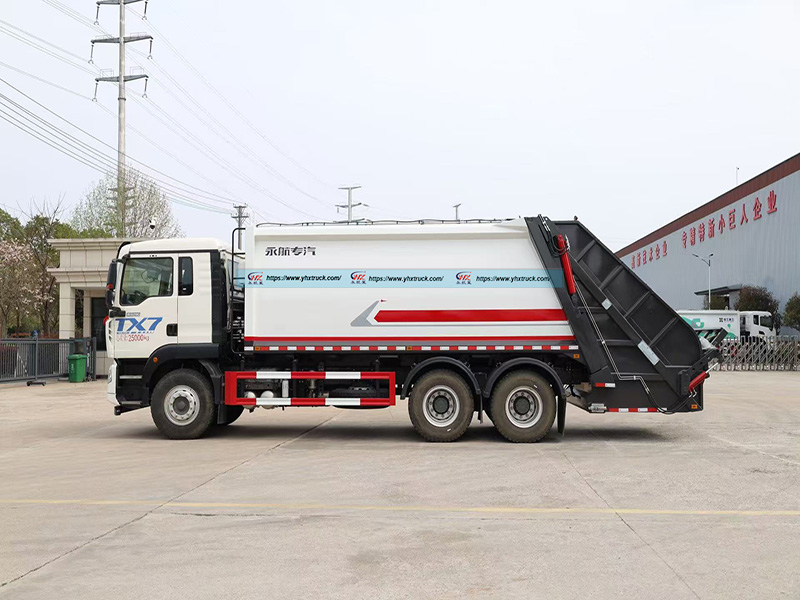
7.Inspect the operation controls, electric control buttons and sensors of the working devices. Adjust or replace faulty components in a timely manner.
8.Check the entire vehicle for oil, water and air leaks.
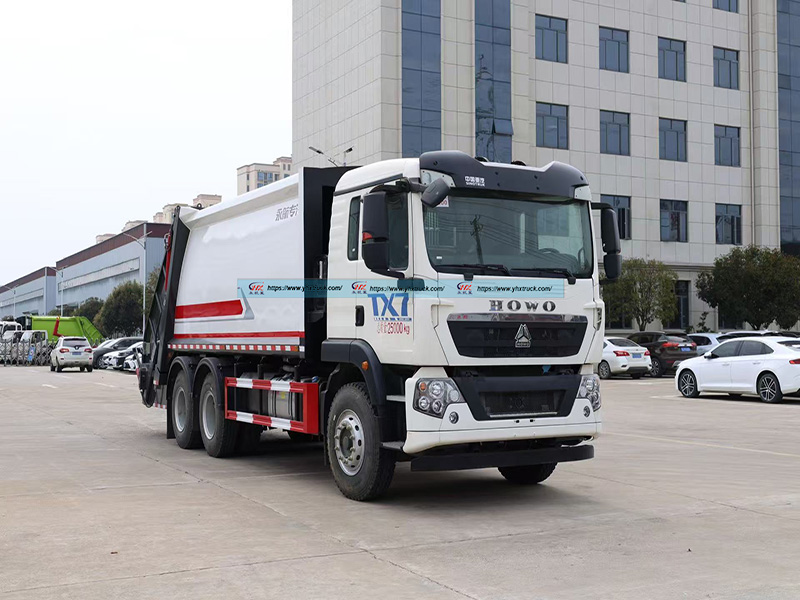
9.Check whether wheel nuts, bolts, nuts and pin shafts of all components are loose; inspect the tire condition and air pressure.
10.Rectify all faults occurred on the same day.


© 2026 HUBEI YONGHANG VEHÍCULO DE PROPÓSITO ESPECIAL CO., LTD. Reservados todos los derechos. mapa del sitio
Este sitio web utiliza cookies para garantizar que obtenga la mejor experiencia en nuestro sitio web.


 English
 Portugues
 Français
 العربية


Comentario
(0)